There’s a moment most of us know well. It’s been a long day. You’re tired, maybe a little stressed, and nothing sounds better than that one thing: the food that just makes everything feel okay again.
You’re not imagining it. There’s real science behind why certain foods feel like a warm hug, and once you understand it, your cravings start to make a lot more sense.
Comfort food isn’t really about hunger; it’s about emotion. When you eat something you love, your brain releases dopamine, the same chemical responsible for feelings of pleasure and reward.
Foods that are warm, familiar, and rich in carbohydrates or protein tend to trigger this response most strongly. They signal safety. They remind us of good times.
This is why a cold shawarma wrap from a random stall hits differently than a perfectly executed shawarma from a famous shawarma restaurant in Dubai. The wrap is familiar. It’s fast, satisfying, and deeply tied to memory and mood.
Across cultures, comfort food tends to follow a pattern: something warm, something wrapped or enclosed, and something seasoned just right. Think dumplings, burritos, rolls, and shawarma. The act of holding a warm sandwich in your hands is itself grounding. It’s tactile comfort before the first bite even lands.
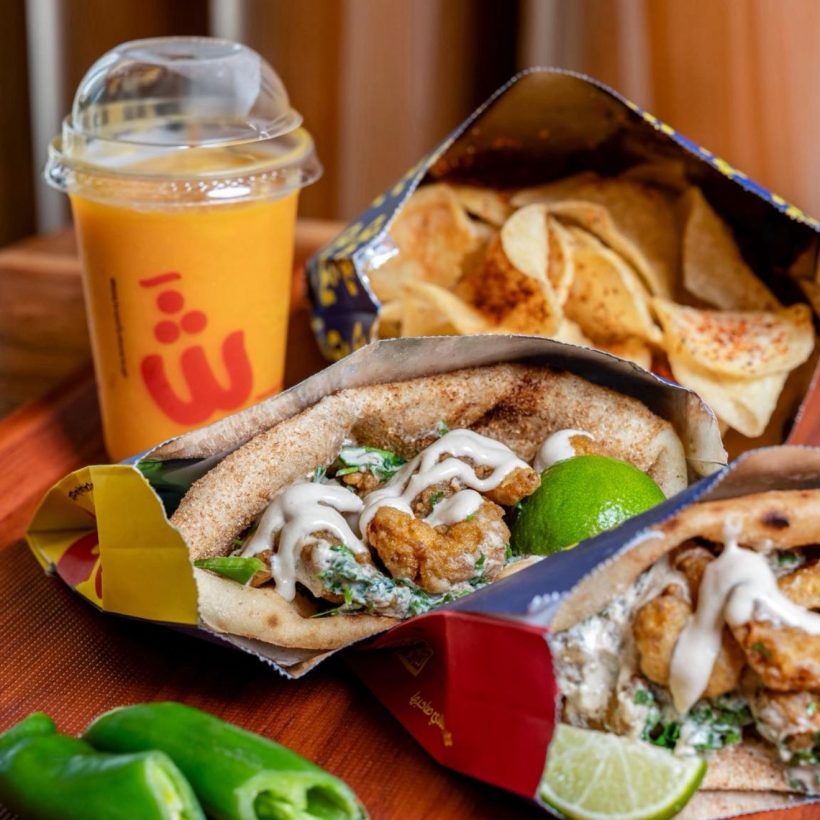
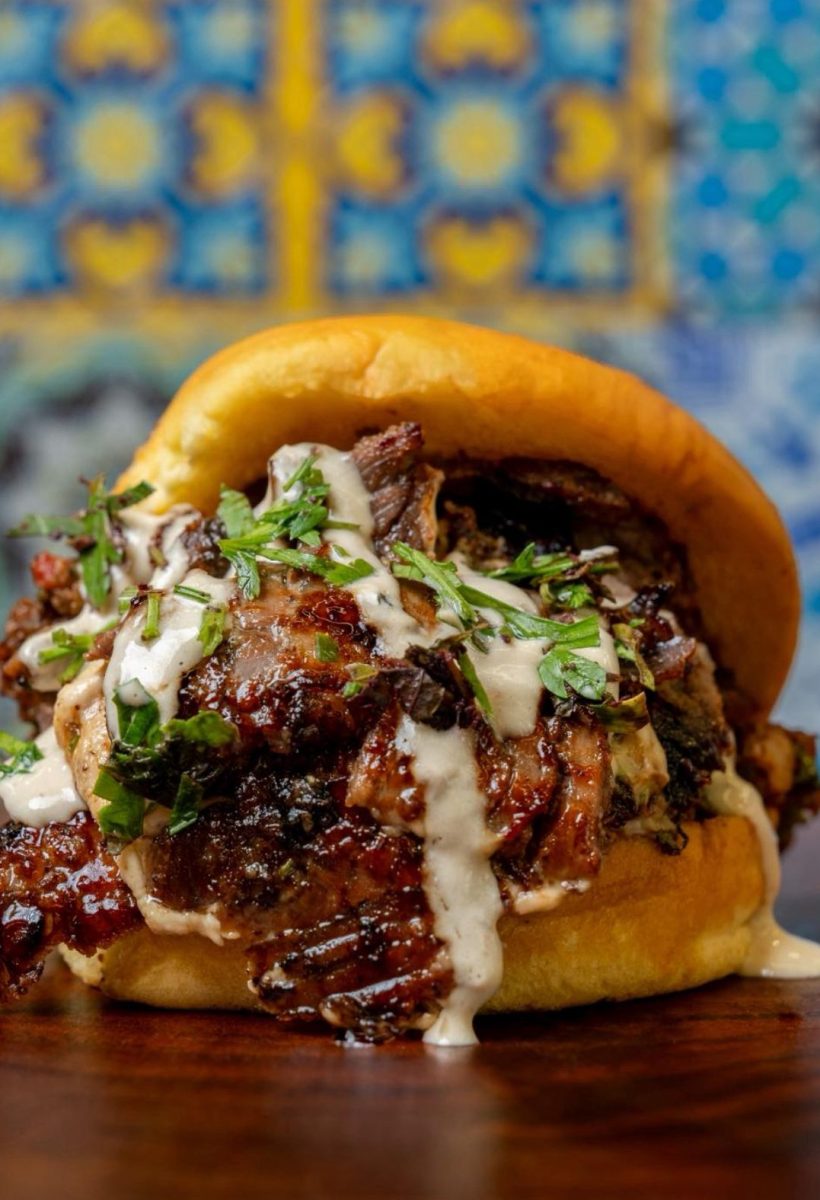
At Shawarmary, the beef and chicken shawarma wraps are built exactly on this principle: slow-roasted meat, pillowy potato bun, tangy sauces, and the kind of thing that genuinely resets your mood. It’s not fancy, and that’s precisely the point. Comfort food doesn’t need to be.
Psychologists call it the “mere exposure effect,” where we tend to prefer things we’ve encountered before.
Comfort food takes the concept further. It’s tied to personal history. For many people raised on Egyptian cooking or exposed to it through Dubai’s wonderfully diverse food culture, the flavors of Egyptian shawarma in particular carry a kind of nostalgic weight.
The garlic sauce, the pickled tomatoes and the way the bread steams slightly when it’s fresh off the press are all the things that make a shawarma the best shawarma in Dubai. It’s a sensory shortcut to feeling at home, even if home is thousands of kilometers away.
Comfort food also satisfies what psychologists call “psychological safety needs.” In uncertain or stressful moments, we default to what we know. We order the same thing.
We go to the same spot. It’s not indecision; it’s the brain doing exactly what it’s designed to do: seek comfort in the familiar.
And if that familiar thing happens to be a slow-roasted, perfectly spiced shawarma wrapped in soft Egyptian bread? Well, your brain is making excellent choices.
Now you know why you reach for your usual order without thinking about it.