
You were not hungry five minutes ago. Then you walked past a shawarma stand. The smell hit you before you even saw the food.
Cumin, garlic, slow-roasted meat, and something warm and smoky underneath it all. Suddenly you are starving.
That is not your imagination. That is spice science doing exactly what it is designed to do.
Most people think appetite starts in the stomach. It actually starts in the nose.
When aromatic spices hit the air, they trigger the olfactory system, which is directly connected to the brain’s appetite and reward centers. The smell of a spiced dish does not just tell you food is nearby.
It begins the digestive process before a single bite has been taken. Saliva increases. Stomach acids activate. Your body starts preparing.
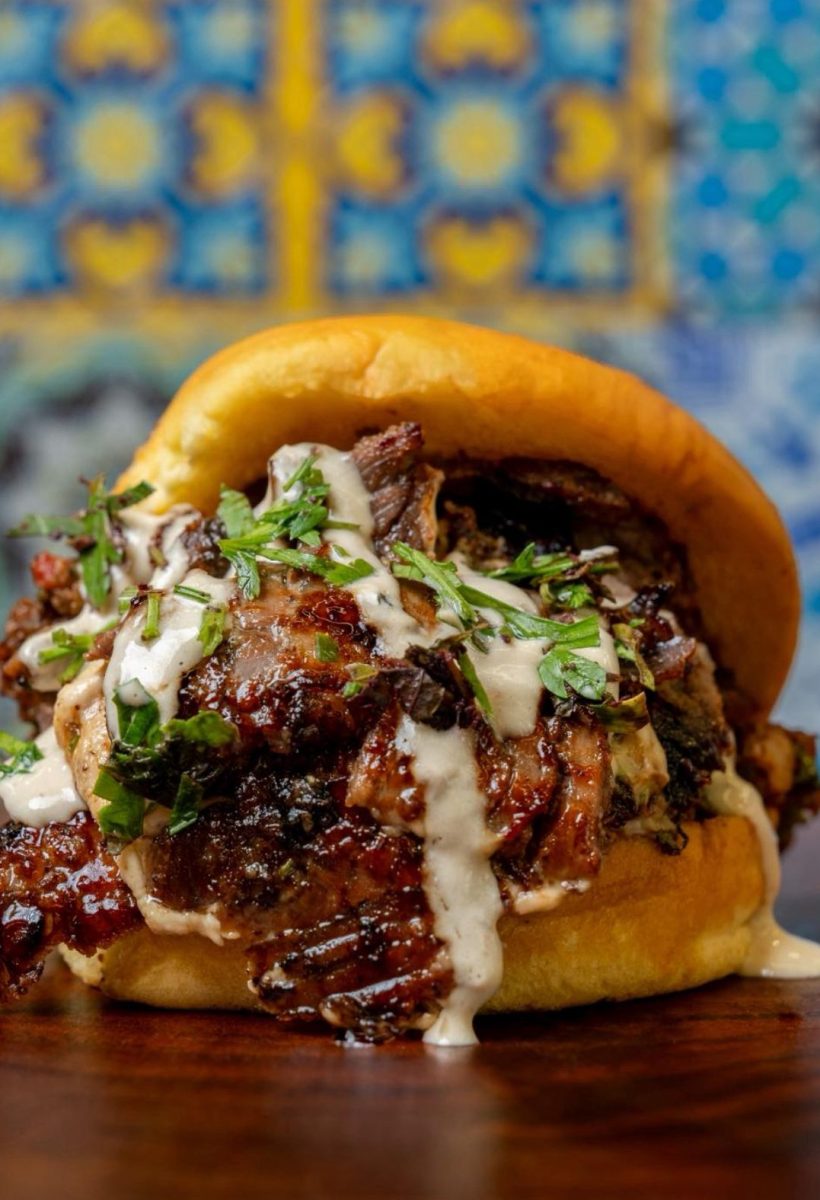
This is why the aroma of Egyptian shawarma, with its layered blend of cumin, coriander, paprika and garlic, is so effective at creating appetite out of nowhere. The spice mix is not just flavoring the meat. It is sending signals to your brain that something worth eating is coming.



Cumin is one of the most important spices in Egyptian food that can help your digestive enzymes work better and help you control your appetite.
Coriander has mild anxiolytic properties, meaning it can take the edge off stress responses. Garlic, beyond its flavor, contains compounds that support gut health and circulation.
None of this is accidental. Spice combinations that have survived centuries of use in Middle Eastern cooking did so partly because they work. They made people feel good after eating. They made food feel satisfying rather than just filling.
At Shawarmary, the beef shawarma and chicken shawarma are both built on this kind of spice layering.
The marinade goes deep into the meat during the slow rotisserie process, so you are not just tasting surface seasoning. The spice is in every bite.
Kofta is worth a specific mention here.
The Kofta sandwich at Shawarmary uses a beef and lamb mix, grilled over charcoal. Charcoal grilling does something specific to spiced meat: the high heat caramelizes the outer layer and intensifies the aromatic compounds in the spice blend.
What you smell when Kofta comes off the grill is not just meat. It is a concentrated hit of everything the spices were always capable of.
That aroma alone is enough to shift your mood. Research on olfactory stimulation consistently shows that warm, spiced cooking smells reduce cortisol levels and increase feelings of comfort and anticipation. You feel better before you even sit down.

Spice is not the only thing influencing how food makes you feel.
Shrimp naturally contains glutamates, the compounds responsible for umami, the fifth taste that signals deep satisfaction to the brain. When you combine that with spiced seasoning, the way Shawarmary does with their shrimp sandwich, the result is a flavor profile that feels complete in a way that is hard to explain but very easy to experience.
Umami essentially tells the brain that a meal is nourishing and sufficient. It is one of the reasons certain foods feel genuinely satisfying rather than just temporarily filling.
The shrimp sandwich delivers that, particularly with the crispy batter adding a textural contrast that keeps every bite interesting.
Here is what ties it all together.
Spices do not just make food taste better. They interact with the nervous system, stimulate appetite at the right moments, support digestion, reduce stress chemicals and trigger reward responses in the brain. A well-spiced meal is doing a lot of work that you never consciously notice.
Egyptian cuisine, with its deep spice traditions, has understood these principles for a very long time. The cuisine was not built around spice for the sake of boldness. It was built around spice because it made people feel good.
Next time the smell of a shawarma stand stops you in your tracks, you will know exactly why. Your brain recognized something your stomach had not caught up with yet.